
Calcium Rich Foods for Pregnant Women: A Guide to Healthy Nutrition
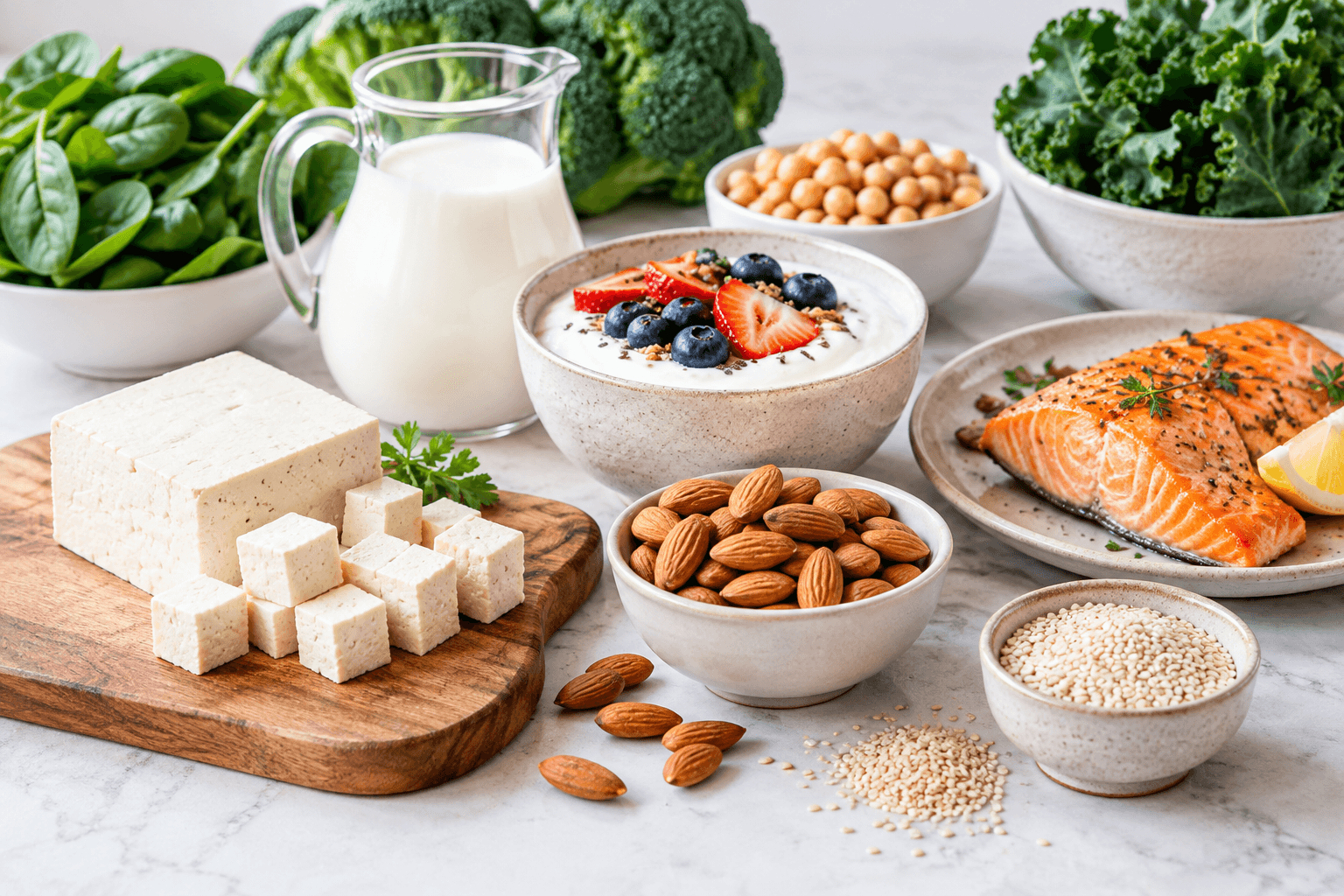
Pregnancy brings important changes to your body, and good nutrition helps support both maternal health and your baby’s development. Calcium plays a key role during this time because it helps build your baby’s bones and teeth. It also supports your muscles, nerves, and heart. Choosing the right Calcium-Rich Foods for Pregnant Women can help you meet your daily nutritional needs through a balanced diet. Milk, yogurt, cheese, calcium-fortified foods, and certain vegetables offer practical ways to add this essential mineral to your meals. However, calcium needs vary by age, dietary habits, and individual health circumstances. Understanding which foods provide calcium, how much you need, and when to seek professional guidance can help you make informed decisions throughout pregnancy.
Prompt Urgent Care recognizes the importance of accessible health information for women and families. This guide explains the role of calcium during pregnancy, highlights useful food sources, and shares practical nutrition tips to support a healthy pregnancy. Calcium Rich Foods for Pregnant Women: Choosing these foods can help you meet your daily calcium needs during pregnancy.
Why Is Calcium Important During Pregnancy?
Calcium supports several essential functions in your body during pregnancy. Your baby relies on this mineral to develop strong bones and teeth. Meanwhile, your body uses calcium to support muscle movement, nerve signaling, and normal heart function. Your body also needs calcium to maintain its own bone health. When your diet provides too little calcium, your body can draw on calcium stored in your bones to support your baby’s development. According to the American College of Obstetricians and Gynecologists (ACOG), calcium is an essential nutrient during pregnancy. A balanced diet can help you meet your needs alongside other important vitamins and minerals.
How Much Calcium Do You Need During Pregnancy?
Most pregnant adults aged 19–50 need about 1,000 mg of calcium per day, according to recommendations from the National Institutes of Health (NIH) and the American College of Obstetricians and Gynecologists (ACOG). You can meet much of this daily requirement by eating calcium-rich foods, including milk, yogurt, cheese, calcium-fortified plant-based milk, and calcium-set tofu. A balanced diet can help you maintain adequate calcium intake throughout pregnancy. However, your individual needs may vary depending on your diet and health circumstances. If you avoid dairy products or struggle to get enough calcium from food, speak with your healthcare provider about suitable alternatives or supplements. Avoid taking extra calcium supplements without medical guidance. Your prenatal vitamin may already contain some calcium, so check its label and discuss your needs with your healthcare provider.
Best Calcium-Rich Foods for Pregnant Women
You can get calcium from dairy products, vegetables, fortified foods, nuts, seeds, and certain fish. The best approach combines different food sources throughout the day.
Here are some practical options to include in your meals.
1. Milk
Milk is an easy way to add calcium to your pregnancy diet. One cup of cow’s milk provides around 300 mg of calcium. This supports your baby’s developing bones and teeth. Milk also provides protein for growth and may contain vitamin D, which helps your body absorb calcium. Drinking milk daily can help meet your increased nutritional needs during pregnancy. Enjoy a glass with breakfast, add it to oatmeal, or blend it into a fruit smoothie. You can also pair milk with other calcium-rich foods, such as yogurt and leafy green vegetables. For your safety and your baby’s health, choose pasteurized milk. Avoid raw milk because it may contain harmful bacteria. If regular milk causes digestive discomfort due to lactose intolerance, try lactose-free milk. It provides similar amounts of calcium and protein. Check the product label to confirm its nutritional content.
2. Yogurt

Yogurt is a valuable addition to a pregnancy diet because it provides calcium and protein to support your baby’s developing bones and teeth. Depending on the type and serving size, one cup can provide approximately 250–450 mg of calcium. Yogurt also supplies protein, which supports your baby’s growth throughout pregnancy. You can enjoy yogurt as a nutritious breakfast or snack between meals. Combine it with fresh fruit, oats, or almonds to add variety and other essential nutrients to your diet. Including yogurt alongside other calcium-rich foods can help you meet your daily calcium needs during pregnancy. For food safety, choose yogurt made with pasteurized milk and keep it refrigerated according to the package instructions. Check nutrition labels when comparing products, as calcium content varies by brand and variety.
3. Cheese

Cheese can help you meet your calcium needs during pregnancy, supporting your baby’s developing bones and teeth. Hard cheeses, such as cheddar, often provide around 200 mg of calcium per ounce. Cheese also supplies protein, which supports your baby’s growth. However, calcium levels vary between varieties, so check the nutrition label when choosing a product. You can add cheese to omelets, sandwiches, salads, or cooked vegetables to increase your calcium intake. Enjoying moderate portions alongside other calcium-rich foods can help you maintain a balanced pregnancy diet. Since some cheeses contain high amounts of sodium and saturated fat, choose varieties that fit your overall nutritional needs.
Food safety is especially important during pregnancy. Choose cheese made with pasteurized milk and store it according to the package instructions. Avoid unpasteurized cheeses because they may contain harmful bacteria, including Listeria, which can cause serious infections during pregnancy. If you are unsure whether a cheese is safe to eat, check the label or consult your healthcare professional.
4. Calcium-Fortified Plant-Based Milk
Calcium-fortified plant-based milk can be a helpful alternative during pregnancy if you avoid dairy products or have difficulty digesting lactose. Options such as soy milk, almond milk, and oat milk can provide calcium when manufacturers add it. This mineral supports your baby’s developing bones and teeth while helping maintain your own bone health. When choosing a plant-based milk, check the nutrition label for calcium and vitamin D. Some fortified varieties provide calcium in amounts similar to cow’s milk, but levels differ between brands. Fortified soy milk also typically provides more protein than almond or oat milk, making it a useful option for supporting your increased nutritional needs during pregnancy.
Shake the carton well before pouring because added calcium can settle at the bottom. Unsweetened varieties can help limit added sugar. If you replace dairy milk entirely, choose fortified products carefully and include other calcium-rich foods in your meals to help meet your daily needs. When in doubt, ask your healthcare provider about suitable options for your pregnancy diet.
5. Dark Leafy Green Vegetables
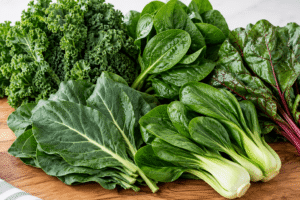
Dark leafy green vegetables are a nutritious addition to your pregnancy diet because they provide calcium, vitamins, and other essential nutrients. Kale and bok choy are particularly useful choices because your body can absorb calcium from them more readily than from some other greens. Broccoli also contributes calcium, along with vitamin C and folate, which support a healthy pregnancy. Adding these vegetables to your meals is simple. You can steam broccoli as a side dish, sauté bok choy with other vegetables, or mix cooked kale into soups, omelets, and pasta. Eating a variety of vegetables alongside foods such as milk, yogurt, or calcium-fortified plant-based milk can help you meet your daily calcium needs.
Spinach contains calcium, but its naturally occurring oxalates limit how much your body absorbs. Therefore, kale and bok choy can be more effective plant-based sources of calcium. During pregnancy, wash fresh vegetables thoroughly under running water before preparing them, and cook them as desired for your meals.
6. Calcium-Set Tofu
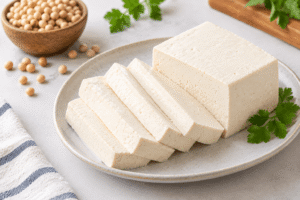
Calcium-set tofu is a valuable plant-based option for pregnant women who follow vegetarian diets or avoid dairy products. Manufacturers prepare tofu from soy milk, and some use calcium salts to help it set. This process can increase the tofu’s calcium content, helping support your baby’s developing bones and teeth while contributing to your daily calcium intake. Tofu also provides plant-based protein, which supports your baby’s growth during pregnancy. However, calcium levels vary between products, so check the nutrition label and choose tofu made with calcium salts when possible. Including calcium-set tofu in a balanced diet can help you get important nutrients without relying entirely on dairy products.
You can add tofu to vegetable stir-fries, soups, curries, or grain bowls. It also works well when baked or sautéed with your favorite vegetables. For food safety during pregnancy, choose properly refrigerated tofu, follow the package instructions, and cook it thoroughly before eating. Pairing tofu with vegetables and whole grains can help create nutritious, satisfying meals.
7. Almonds and Sesame Seeds
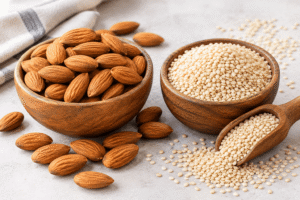
Almonds and sesame seeds can help add calcium and healthy fats to your pregnancy diet. They also provide other nutrients that support your overall health. Tahini, a smooth paste made from sesame seeds, offers another convenient way to include these foods in your meals. Although they contribute calcium, their amounts per serving are generally lower than those found in milk or yogurt. You can sprinkle sesame seeds over cooked vegetables, soups, and grain bowls. Tahini works well as a spread on whole-grain toast or as an ingredient in homemade dressings. A small handful of almonds makes a convenient snack, while chopped almonds add crunch to oatmeal, cereal, and yogurt.
During pregnancy, choose plain or lightly salted nuts and seeds to help limit excess sodium. Because they contain concentrated energy, enjoy them in moderate portions as part of a varied diet. If you have a nut or seed allergy, avoid the foods that trigger your allergy and ask your healthcare provider about other calcium-rich options that suit your needs.
8. Sardines with Soft, Edible Bones

Sardines with soft, edible bones are a valuable source of calcium during pregnancy. Calcium supports your baby’s developing bones and teeth, while the protein in sardines helps support healthy growth. Sardines also provide omega-3 fatty acids, which contribute to your baby’s brain and eye development. You can add sardines to whole-grain toast, salads, or meals with rice and cooked vegetables. Canned sardines with edible bones offer a convenient option, and their bones are usually soft enough to eat. Because the bones contain much of the fish’s calcium, removing them reduces the amount you get from your serving. Food safety is especially important during pregnancy. Choose sardines from reliable sources, check storage instructions, and cook fresh fish thoroughly. Sardines are generally a low-mercury seafood choice, but you should still follow pregnancy seafood recommendations for serving sizes and variety. If you have concerns about eating fish during pregnancy, ask your healthcare provider for advice.
9. Calcium-Fortified Breakfast Cereals
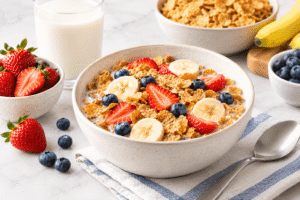
Calcium-fortified breakfast cereals can help pregnant women increase their daily calcium intake. Manufacturers add calcium to certain cereals, making them a convenient option for supporting your baby’s developing bones and teeth. Depending on the product, fortified cereals may also provide iron, folic acid, and other nutrients that support a healthy pregnancy. Check the nutrition label before choosing a cereal, as calcium levels vary between brands. Look for options that provide calcium and contain whole grains, while keeping added sugar in mind. Pairing your cereal with milk or calcium-fortified soy milk can increase the calcium content of your breakfast.
You can also add fresh fruit, such as berries or banana slices, for extra flavor and variety. A balanced breakfast helps you obtain nutrients from different food sources rather than relying on one fortified product. Including calcium-rich cereals as part of a varied diet can make it easier to meet your nutritional needs during pregnancy.
10. Beans and Other Plant Foods
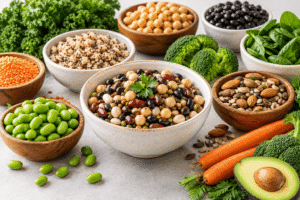
Beans and legumes can contribute to your calcium intake during pregnancy while providing protein, fiber, iron, and other important nutrients. Options such as white beans, chickpeas, and certain other beans offer some calcium to support your baby’s developing bones and teeth. They also add variety to your meals and help you maintain a balanced pregnancy diet. You can add beans to soups, salads, curries, and grain bowls for a nutritious meal. Pair them with calcium-rich foods, such as yogurt, fortified plant-based milk, or calcium-set tofu, to increase your overall calcium intake. Combining different food sources can help you meet your nutritional needs throughout pregnancy. If you use canned beans, choose lower-sodium options when available and rinse them before use. Eating a variety of legumes alongside other nutrient-rich foods can help support your health and your baby’s growth during pregnancy.
How to Include Calcium in Your Daily Pregnancy Diet?
You do not need to eat every calcium-rich food each day. Instead, spread calcium sources across meals and snacks to make your routine easier to maintain.
Here is an example of a simple daily meal plan:
| Meal | Food idea | Calcium contribution |
|---|---|---|
| Breakfast | Fortified cereal with milk and fruit | Milk and cereal supply calcium |
| Morning snack | Plain yogurt with berries | Yogurt supplies calcium and protein |
| Lunch | Tofu or bean bowl with broccoli | Tofu or vegetables add calcium |
| Afternoon snack | Almonds and fruit | Almonds contribute some calcium |
| Dinner | Cooked fish with vegetables and whole grains | Fish with edible bones can add calcium |
This example offers a starting point, not a prescribed diet. Actual calcium intake depends on portions, recipes, and product labels. Your healthcare provider or registered dietitian can help you adapt meals to your nutritional needs.
Tips for Getting Enough Calcium During Pregnancy
Building healthy eating habits does not require a complicated meal plan. A few practical changes can help you increase your calcium intake consistently.
- Include calcium with meals: Add milk to breakfast, yogurt to snacks, or calcium-set tofu to lunch.
- Read nutrition labels: Compare calcium content in fortified drinks, cereals, and other packaged foods.
- Choose varied sources: Combine dairy products with vegetables, legumes, nuts, seeds, or fortified alternatives.
- Pair calcium with vitamin D: Vitamin D helps your body absorb calcium. Fortified milk, certain fortified plant drinks, and some fish provide vitamin D.
- Stay hydrated: Drink water regularly throughout the day as part of your overall pregnancy nutrition routine.
- Review your supplements: Ask your prenatal care provider whether your prenatal vitamin meets your nutritional needs.
ACOG recommends a varied diet during pregnancy that supplies essential nutrients, including calcium and vitamin D.
Can You Get Enough Calcium Without Dairy Products?
Yes, you can meet your calcium needs during pregnancy without eating dairy products. However, you need to choose alternative calcium sources carefully and include them regularly in your meals. Calcium supports your baby’s developing bones and teeth while helping maintain your own bone health. Fortified plant-based milk, calcium-set tofu, certain leafy green vegetables, sesame seeds, and canned sardines with edible bones can help increase your calcium intake. It also supplies plant-based protein, which supports your baby’s growth. Not all dairy alternatives contain enough calcium. For example, unfortified almond milk and oat milk may provide very little calcium. Always check the nutrition label before choosing a product. Kale, bok choy, and broccoli can also contribute calcium, although the amount varies by vegetable and serving size.
Planning your meals can make a dairy-free pregnancy diet easier to manage. You could start your morning with calcium-fortified cereal and fortified plant-based milk. At lunch, include calcium-set tofu with vegetables and whole grains. For snacks, try almonds or sesame-based foods, and add other calcium-rich options to dinner. If you follow a vegan diet, avoid dairy because of lactose intolerance, or have difficulty eating enough calcium-rich foods, speak with a registered dietitian or healthcare professional. They can review your usual diet, identify possible nutritional gaps, and help you determine whether a calcium supplement would be beneficial.
Should You Take Calcium Supplements During Pregnancy?
Calcium supplements may help during pregnancy if your diet does not provide enough calcium. However, they should complement calcium-rich foods rather than replace them. Milk, yogurt, fortified plant-based milk, calcium-set tofu, and selected vegetables can all contribute to your daily intake. Before taking a supplement, check your prenatal vitamin label. Some prenatal vitamins contain calcium, but they may not provide enough to meet your needs. Most pregnant adults aged 19–50 need 1,000 mg of calcium daily from food, beverages, and supplements combined. Taking too much supplemental calcium may cause constipation, digestive discomfort, and potentially increase the risk of kidney stones in some people. Calcium can also interfere with certain medications, including some thyroid medicines and antibiotics. Ask your healthcare provider or pharmacist about safe dosing and timing. In some circumstances, healthcare professionals may also recommend calcium supplementation to help reduce the risk of preeclampsia, particularly when dietary calcium intake is low. This depends on individual needs and local medical guidance. The best approach is to prioritize a balanced diet and consult your healthcare provider before adding calcium supplements. Professional guidance can help you meet your nutritional needs safely throughout pregnancy.
Foods to Handle Carefully During Pregnancy
Food safety matters just as much as nutritional value during pregnancy. Certain precautions can help reduce the risk of foodborne illness.
- Avoid unpasteurized dairy: Choose pasteurized milk, yogurt, and cheese.
- Wash produce thoroughly: Clean vegetables and fruits under running water before eating or preparing them.
- Handle seafood safely: Choose suitable low-mercury fish and cook seafood thoroughly.
- Store food properly: Refrigerate perishable foods promptly and follow storage instructions.
- Check product labels: Confirm that fortified products provide the nutrients you expect.
The U.S. Food and Drug Administration (FDA) advises pregnant women to avoid unpasteurized milk and dairy products because they can carry harmful bacteria.
When Should You Speak With a Healthcare Professional?
Contact your prenatal care provider if you have questions about calcium intake, supplements, food restrictions, or your nutritional needs during pregnancy. They can help you determine whether your diet provides enough calcium to support your health and your baby’s developing bones and teeth. Professional guidance is especially important if you avoid dairy products, follow a restrictive diet, have difficulty tolerating lactose, or have a medical condition that affects nutrient absorption. Also, discuss calcium supplements with your provider if you take prenatal vitamins or other medications. Seek medical advice if you experience persistent vomiting, difficulty keeping fluids down, signs of dehydration, or other concerning pregnancy symptoms. These problems may affect your ability to get enough nutrients and fluids.
For certain non-emergency concerns, Prompt Urgent Care may offer a convenient option in San Antonio. Confirm the clinic’s available services and your insurance coverage before visiting. Remember that urgent care does not replace routine prenatal appointments. For severe chest pain, difficulty breathing, fainting, heavy bleeding, or other potentially life-threatening symptoms, call 911 or seek emergency care immediately.
How Prompt Urgent Care Supports Women’s Health?
Maintaining good nutrition is one part of taking care of your health. Access to appropriate healthcare also helps you address concerns, obtain relevant testing, and understand your next steps. Prompt Urgent Care serves patients in San Antonio, Texas, and offers several services that support general health and women’s healthcare needs. Its listed services include pregnancy testing and women’s health screenings. If you need an urgent care clinic in San Antonio, Prompt Urgent Care provides walk-in services for eligible non-emergency medical concerns. Patients can contact the clinic to ask about available services, fees, and insurance coverage. Those looking for affordable urgent care can contact the clinic directly to discuss current pricing and payment options. Patients searching online for urgent care near me that takes TRICARE should also verify their specific plan’s requirements and the clinic’s current participation before visiting. Prompt Urgent Care lists TRICARE among the insurance plans it participates in, but coverage and referral requirements can vary. Prompt Urgent Care’s team can help patients understand which of its available services may fit their needs. However, routine prenatal care and pregnancy management require appropriate prenatal providers, so patients should arrange ongoing pregnancy care with an obstetrician or qualified prenatal care professional. For more information, visit Prompt Urgent Care or contact the clinic at (210) 585-2273.
Final Thoughts
Choosing the right Calcium-Rich Foods for Pregnant Women helps support your baby’s developing bones and teeth while meeting your nutritional needs. Milk, yogurt, pasteurized cheese, fortified plant-based milk, leafy greens, and calcium-set tofu can all contribute to your daily calcium intake. However, a healthy pregnancy diet requires more than calcium. Include foods rich in protein, iron, folate, and vitamin D, and follow proper food safety practices. Consistent, balanced meals can help you meet your nutritional needs throughout pregnancy. If you avoid dairy, follow a vegetarian or vegan diet, or struggle to get enough calcium from food, consult your prenatal care provider. They can assess your needs and advise whether a supplement is appropriate. Always seek professional guidance before adding supplements, especially if you already take prenatal vitamins or other medications.
Along with maintaining healthy eating habits, regular prenatal appointments help monitor your well-being and your baby’s development. If you have questions about pregnancy-related symptoms or need certain non-emergency healthcare services, Prompt Urgent Care offers pregnancy testing and women’s health screenings in San Antonio, Texas. Contact the clinic to confirm available services and discuss the appropriate next steps for your healthcare needs. Remember, urgent care can support certain immediate healthcare concerns, but it does not replace routine prenatal care from a qualified pregnancy care provider.
Sources for Medical Accuracy
- American College of Obstetricians and Gynecologists — Healthy Eating During Pregnancy
- National Institutes of Health — Calcium: Health Professional Fact Sheet
- U.S. Food and Drug Administration — Dairy and Eggs: Food Safety for Moms-to-Be
Medical note: This article provides general educational information, not individualized medical advice. Pregnant readers should consult their prenatal care provider about personal nutritional needs and supplementation.