
Urgent Care for High Blood Pressure: When to Go and What to Expect
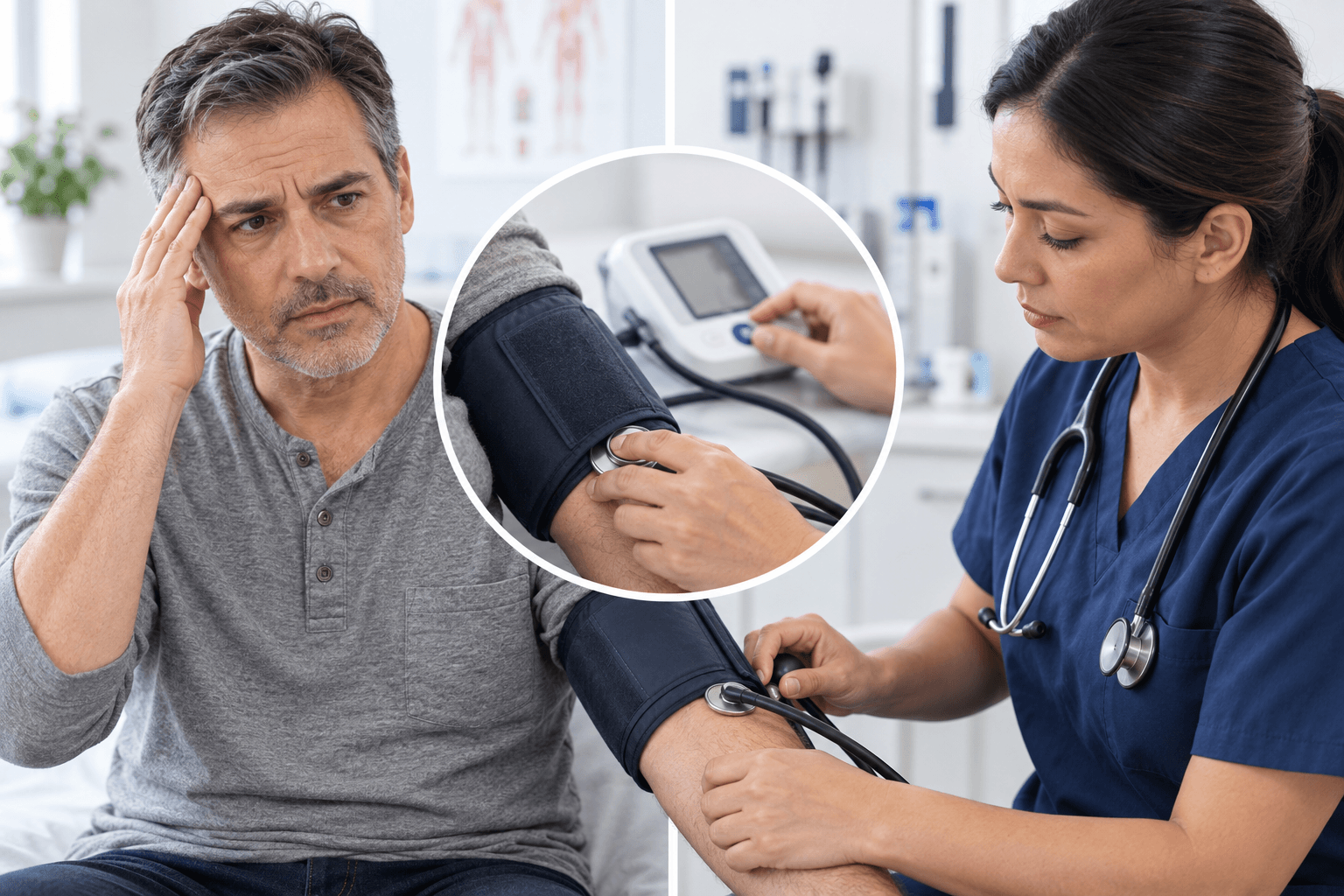
A high blood pressure reading can be unsettling, especially when it appears suddenly or is much higher than your usual numbers. Because hypertension often develops without clear symptoms, many people are unsure whether they should wait for a regular doctor’s visit, go to urgent care, or head directly to the hospital. Urgent care for high blood pressure may be appropriate when your reading is elevated and you need prompt medical evaluation but do not have symptoms of a life-threatening emergency. A healthcare provider can repeat the measurement, review your medical history and medications, check for related symptoms, and determine the safest next step. However, urgent care is not the right destination for every high blood pressure situation. Extremely high readings combined with symptoms such as chest pain, difficulty breathing, weakness, vision changes, or trouble speaking require emergency care.
What Does a High Blood Pressure Reading Mean?
Blood pressure measures the force of blood pushing against the walls of your arteries. It is written as two numbers:
- •Systolic pressure: The top number, which measures pressure when the heart beats
- •Diastolic pressure: The bottom number, which measures pressure when the heart rests between beats
For most adults, blood pressure below 120/80 mm Hg is considered normal. Blood pressure is considered high when readings are consistently at or above 130/80 mm Hg. One elevated reading does not always mean you have hypertension. Physical activity, stress, pain, caffeine, nicotine, certain medications, and improper measuring technique can temporarily affect the result. A diagnosis is generally based on consistently elevated readings rather than one isolated measurement. Even so, a very high number should not be ignored. The reading must be considered together with your symptoms, medical history, current medications, and usual blood pressure range.
Can You Go to Urgent Care for High Blood Pressure?
Yes, you can go to urgent care for high blood pressure when you need timely evaluation and are not experiencing emergency warning signs. This may be appropriate if you repeatedly receive unusually high readings at home, have mild symptoms, cannot reach your regular provider, or need your medication situation reviewed. During the visit, the healthcare provider may check whether the elevated number is temporary or part of an ongoing pattern. They may also look for factors that could be contributing to the increase.
Consider visiting urgent care if:
- •Your blood pressure remains higher than your normal range after resting and checking it again
- •You have a history of hypertension and your readings have recently become less controlled
- •You have missed doses or run out of prescribed medication
- •You recently started a medicine that may affect your blood pressure
- •You have a mild headache or feel unwell without emergency symptoms
- •You have not been diagnosed with hypertension but continue getting elevated readings
- •Your primary care provider is unavailable and you need prompt guidance
An urgent care high blood pressure visit can provide a useful first evaluation, but ongoing hypertension usually requires continued monitoring and follow-up care.
What Happens During an Urgent Care High Blood Pressure Evaluation?
The provider will usually begin by repeating your blood pressure. This is important because posture, cuff size, movement, talking, stress, and recent physical activity can affect the first reading. You may be asked to sit quietly for several minutes with your back supported, feet on the floor, and arm positioned properly. The provider may take additional readings to see whether the number remains elevated. The evaluation may also include questions about:
- •Your usual blood pressure readings
- •When the increase first appeared
- •Headaches, dizziness, chest pain, or breathing problems
- •Weakness, numbness, confusion, or vision changes
- •Prescription and over-the-counter medications
- •Missed or recently changed medication doses
- •Caffeine, nicotine, alcohol, or stimulant use
- •Kidney disease, diabetes, heart disease, or pregnancy
- •Recent illness, pain, stress, or sleep problems
A physical examination may include listening to your heart and lungs, checking your pulse, examining for swelling, and performing a basic neurological assessment. The exact evaluation will depend on your numbers, symptoms, and medical history.
Will Urgent Care Treat High Blood Pressure?
Urgent care may provide initial treatment or short-term management, but treatment depends on the individual situation. The immediate goal is to determine whether the patient is stable, whether there are signs of organ damage, and whether treatment can safely occur outside the hospital. If the blood pressure is elevated without emergency symptoms, a provider may recommend monitoring, medication review, lifestyle changes, or follow-up with a primary care provider. If the reading is dangerously high or symptoms suggest heart, brain, kidney, or blood vessel complications, the patient may be sent to the emergency department.
Blood pressure should not always be lowered rapidly. The appropriate approach depends on how high it is, how long it has been elevated, and whether signs of acute organ damage are present. Patients should not attempt to lower it quickly by taking extra doses of medication unless specifically directed by a qualified healthcare professional. Urgent Care for High Blood Pressure can provide an initial evaluation to help determine the appropriate next steps.
Can Urgent Care Prescribe Blood Pressure Medication?
A licensed urgent care provider may prescribe blood pressure medication when medically appropriate, but a prescription is not guaranteed at every visit. The provider must first review the patient’s blood pressure readings, health conditions, medication history, allergies, and possible drug interactions. Urgent care may sometimes help with:
- •Starting short-term treatment when clinically appropriate
- •Providing a limited refill of an established medication
- •Reviewing possible medication side effects
- •Addressing a missed or interrupted prescription
- •Recommending follow-up for long-term medication adjustment
Long-term hypertension management is usually best handled through primary care because blood pressure medications may require follow-up appointments, laboratory testing, dose adjustments, and monitoring of kidney function or electrolyte levels. Do not stop taking a prescribed blood pressure medicine simply because your numbers improve or because you feel well. The FDA advises patients to continue taking their medicine unless their healthcare provider says it is safe to stop.
Why Can Blood Pressure Rise Suddenly?
A sudden elevated reading does not always mean that a new chronic condition has developed. Blood pressure naturally changes throughout the day and can temporarily rise due to physical or emotional factors. Possible causes include:
- •Anxiety, panic, or emotional stress
- •Acute pain
- •Recent physical activity
- •Caffeine, nicotine, or energy drinks
- •Lack of sleep
- •Dehydration or illness
- •Missing blood pressure medication
- •Taking the wrong medication dose
- •Cold medicines containing decongestants
- •Certain prescription medicines
- •Stimulants or recreational drugs
- •Kidney, hormonal, or cardiovascular conditions
A provider should review the complete situation instead of treating only the number. If repeated readings remain elevated after the temporary trigger has passed, additional evaluation may be needed.
Can High Blood Pressure Cause Symptoms?
High blood pressure frequently causes no noticeable symptoms. This is one reason regular blood pressure checks are important. A person can feel normal while elevated pressure gradually affects the heart, brain, kidneys, blood vessels, and eyes. Symptoms such as headache, dizziness, fatigue, or nosebleed can occur for many reasons and do not reliably show how high someone’s blood pressure is. The only way to know the reading is to measure it properly. When a very high reading occurs with chest pain, shortness of breath, weakness, confusion, vision changes, or difficulty speaking, the combination may indicate a hypertensive emergency. In that situation, the symptoms matter just as much as the blood pressure number.
When Should I Go to the Hospital for High Blood Pressure?
A reading above 180/120 mm Hg requires immediate attention. If you receive a number in this range, sit quietly and repeat the measurement after at least one minute. Call 911 if the repeat reading remains above 180/120 mm Hg and you have symptoms such as:
- •Chest pain
- •Shortness of breath
- •Back pain
- •Weakness or numbness
- •Vision changes
- •Difficulty speaking
- •Confusion
- •Fainting
- •Severe or unusual headache
The American Heart Association advises calling 911 when blood pressure is above 180/120 mm Hg and these warning signs are present. Do not wait for the number to decrease on its own. If your reading is above 180/120 mm Hg but you do not have these symptoms, repeat it after resting and contact a healthcare professional immediately for instructions. Do not take an additional dose of medication unless a provider tells you to do so. Urgent care is not a substitute for emergency care when stroke, heart attack, acute organ damage, or another life-threatening condition is possible.
How to Check Your Blood Pressure More Accurately at Home
Incorrect measuring technique can produce a reading that is higher or lower than your actual blood pressure. To obtain a more reliable result:
- •Avoid smoking, caffeine, and exercise for approximately 30 minutes before checking
- •Empty your bladder before sitting down
- •Rest quietly for about five minutes
- •Sit with your back supported and both feet flat on the floor
- •Keep your legs uncrossed
- •Support your arm at heart level
- •Place the cuff on bare skin rather than over clothing
- •Remain still and avoid talking during the measurement
- •Take two readings approximately one minute apart
- •Record the date, time, and results for your healthcare provider
Use a validated upper-arm monitor with the correct cuff size. Home monitoring can help identify patterns, but it should complement professional care rather than replace it.
What Should You Bring to an Urgent Care Hypertension Visit?
Bringing accurate information can help the provider better understand what may be causing the elevated reading. When possible, bring:
- •A list of all prescription medications
- •Over-the-counter medicines and supplements
- •The doses and times of your blood pressure medicines
- •A record of recent home readings
- •Your home monitor, if you question its accuracy
- •Information about missed doses
- •Details about recent medication changes
- •Your relevant medical history
- •Your pharmacy information
Tell the provider about decongestants, pain relievers, stimulants, energy supplements, or other products you have recently used. Some nonprescription products may affect blood pressure or interact with prescription medication.
Supporting Healthy Blood Pressure Between Visits
Lifestyle changes may support blood pressure control, although they do not replace prescribed medication or professional medical care. Common recommendations may include:
- •Limiting sodium intake
- •Eating more fruits, vegetables, and balanced meals
- •Maintaining a healthy body weight
- •Getting regular physical activity
- •Avoiding tobacco
- •Limiting alcohol
- •Managing stress
- •Getting consistent sleep
- •Monitoring blood pressure at home
- •Taking medication exactly as directed
Speak with your healthcare provider before beginning a new exercise program or making major dietary changes, particularly if you have heart disease, kidney disease, diabetes, or severely elevated blood pressure.
Blood Pressure Checks and Management at Prompt Urgent Care
Prompt Urgent Care provides blood pressure checks and management for patients in San Antonio. Our healthcare team can measure your blood pressure and provide urgent care for high blood pressure support, review elevated readings, discuss relevant symptoms, assess your medication history, and help determine an appropriate next step. Patients with non-life-threatening concerns can walk in without an appointment. If continued treatment is needed, the provider can discuss monitoring, medication considerations, and follow-up care based on the individual evaluation. Prompt Urgent Care also supports ongoing primary healthcare needs, including routine monitoring and chronic condition management. Patients experiencing emergency symptoms such as chest pain, shortness of breath, weakness, vision changes, or difficulty speaking should call 911 instead of visiting urgent care.
Frequently Asked Questions
Yes. Visit urgent care if repeated readings are significantly above your normal range, even if you feel well. A provider can confirm the reading, review your medications, and recommend treatment or follow-up.
Urgent care can evaluate and manage elevated blood pressure in medically stable patients. Care may include repeat measurements, medication review, short-term treatment, or follow-up instructions. Emergency symptoms may require hospital care.
A provider may prescribe or temporarily refill blood pressure medication when appropriate. The decision depends on your readings, medical history, existing medications, and monitoring needs.
Call 911 if your blood pressure is above 180/120 mm Hg with chest pain, breathing difficulty, weakness, numbness, vision changes, confusion, or trouble speaking. Do not wait for the reading to improve.
Urgent care treats stable patients without life-threatening symptoms. An ER provides advanced imaging, continuous monitoring, emergency medications, and specialist care for possible heart attack, stroke, or organ damage.
Yes. Stress, pain, caffeine, nicotine, recent activity, and anxiety can temporarily raise blood pressure. However, consistently elevated readings should still be evaluated by a healthcare professional.
No. Do not take an additional dose unless instructed by a healthcare professional. Bring your medication list and tell the provider when you took your last dose.
Yes. Prompt Urgent Care provides blood pressure checks and management for non-life-threatening concerns. The team can evaluate your reading, review symptoms and medications, and recommend the next step. Walk-ins are welcome.